

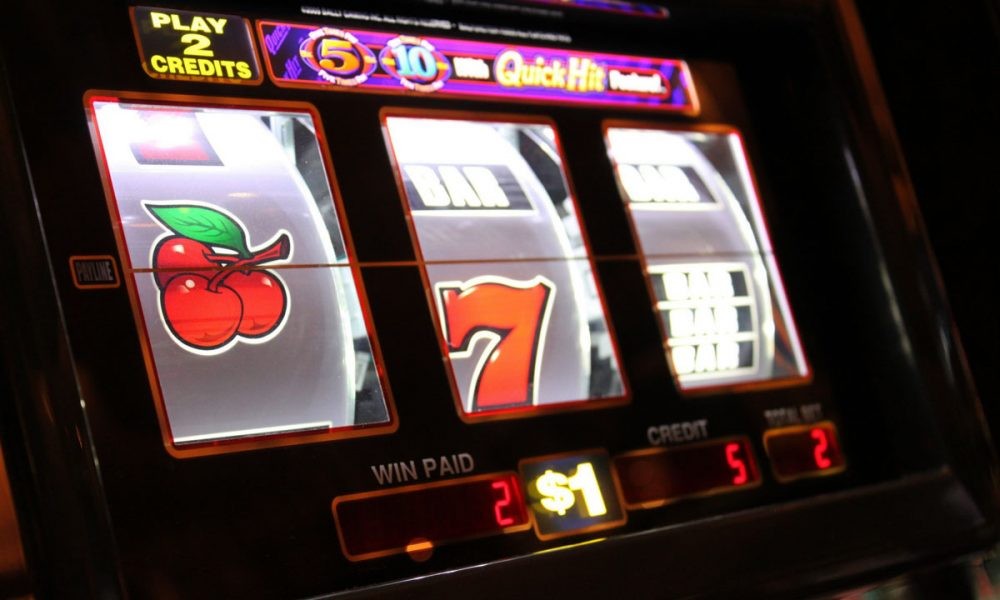
Daily price swings in digital asset markets exceed traditional stock market movements by substantial margins that surprise newcomers who expect stability similar to established financial instruments. Cryptocurrency values can jump or drop 5-10% within a single trading session without major news events triggering the movements at all. tether casinos 2023 often see their associated tokens experience even more dramatic price fluctuations based on user activity levels and gameplay trends shifting rapidly across short timeframes.
Trading volume concentration effects
Most cryptocurrency trading happens on relatively few exchanges compared to traditional assets, spread across hundreds of regulated venues globally. This concentration means large orders impact prices more dramatically than they would in deeper markets with better distribution. When someone sells $10 million of a mid-cap token, that order represents 5-10 % of daily trading volume. The same dollar amount in a major stock barely registers as noise. Thin order books amplify price movements because there aren’t enough buy orders at each price level to absorb selling pressure without prices dropping significantly. Gaming tokens especially suffer from this problem since their trading volumes stay lower than major cryptocurrencies despite having dedicated user bases.
News cycle amplification patterns
Social media spreads information faster in crypto markets than traditional finance channels ever could in previous decades. A single tweet from an influential account can trigger buying or selling waves within minutes of posting. Traditional markets have circuit breakers and trading halts. Crypto markets run continuously without these protections. News gets amplified through countless channels simultaneously. Rumour and fact blur together. Markets react before verification happens. A false report about a protocol hack might crash prices 20% before the truth emerges and recovery begins.
Leverage position liquidations
- Borrowed funds let traders control positions worth multiples of their actual capital through leverage ratios reaching 10x, 20x, or even 100x on some platforms
- Price drops force automatic liquidations when position values fall below margin requirements, triggering cascading sell orders that accelerate downward momentum
- Liquidation cascades create self-reinforcing cycles where initial drops trigger liquidations that push prices lower, which trigger more liquidations in sequence
- High leverage prevalence in crypto markets means relatively small price moves can unleash massive liquidation volumes that wouldn’t exist in unleveraged trading environments
- Recovery often happens quickly once liquidations finish and actual buyers step in at discounted prices, free from forced selling pressure
Regulatory announcement impacts
Government statements about cryptocurrency regulations move markets violently in either direction, depending on whether the news sounds favourable or restrictive. A country announcing friendly crypto regulations might boost markets by 15% in a day. Another country banning exchanges crashes prices similarly. Markets price in speculation about future regulations based on partial information and rumours. When actual announcements arrive, reality rarely matches speculation perfectly. The gap between expectations and outcomes creates volatility as positions adjust.
Volatility driver summary
Limited trading volume exists on a small number of exchanges. This makes large orders move prices more than in traditional markets with deep liquidity pools. Information spreads very fast through social media platforms. There are no gatekeepers or slow checks like in normal financial markets. Leverage trading creates forced liquidations when prices fall. This automatic selling increases the drop even when fundamentals do not change. Regulatory uncertainty keeps the market under constant pressure. Any government statement causes instant price changes as traders react. Market maturity is still much lower than in traditional assets. There are fewer big institutions to provide stability when retail traders panic. Daily crypto volatility comes from small exchanges, fast news, spread, leverage, liquidations, regulatory fear, and immature markets. These factors together make price movements stronger than in traditional financial instruments.